4 min readAuf Deutsch lesen
Can You Get Nail Fungus From Nail Extensions? Salon Hygiene Explained
Professional nail design never causes fungal infections when proper hygiene and correct product application techniques are strictly followed.
In short
Nail design does not cause nail fungus when performed correctly on healthy nails. Infections only occur if unsterilised tools, reused single-use files, or contaminated foot baths are used, or when product lifting traps moisture. Trained nail technicians follow strict hygiene protocols, inspect nails before treatment, and immediately refer any signs of infection to a doctor.
At a glance
- Core Subject
- Hygiene & Sanitisation
- Key Standard
- Single-use files & sterilised metal tools
- Regulatory Status
- Freies Gewerbe (Free Trade in Austria)
- Primary Prevention
- Visual nail inspection before treatment
What Really Causes Infections in a Nail Studio?
Many clients express anxiety about picking up nail fungus (onychomycosis), athlete's foot, or bacterial infections during a manicure or pedicure. Artificial nail enhancements and gel polishes themselves do not generate fungi or bacteria. Pathogens are biological organisms that must be introduced to the nail bed from an outside source or allowed to multiply due to improper application.
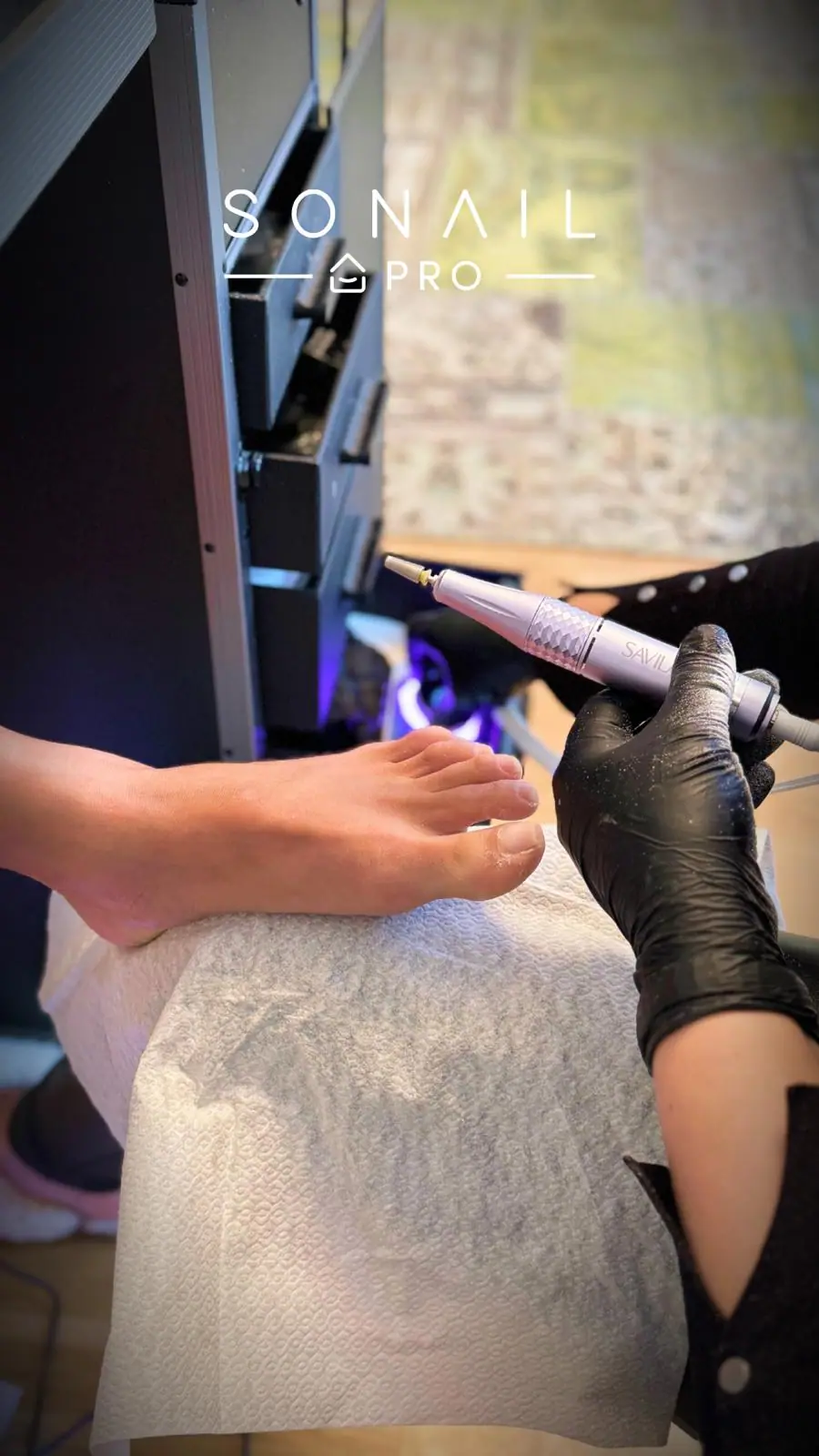
The genuine risk of infection stems entirely from poor hygiene practices. Reusing single-use items like wooden files or sanding buffers across multiple clients transfers micro-particles and pathogens. Unsterilised metal cuticle pushers, cutters, or e-file bit heads can carry fungal spores. During pedicures, foot baths that are not thoroughly disinfected between clients offer an ideal medium for fungal transfer. Furthermore, aggressive mechanical preparation that cuts living skin creates open pathways for microbial entry.
02
Professional Hygiene Steps in Daily Studio Routine
A qualified nail technician maintains rigorous sanitisation protocols for every single treatment to eliminate the risk of cross-contamination.
- 1
Visual Nail Check
Inspect natural nails before applying product and refuse service if discolouration, thickening, or lifting appears.
- 2
Disposable Files
Use fresh disposable files and buffers for every individual client to prevent cross-contamination.
- 3
Sterilising Metal Instruments
Clean, disinfect, and sterilise all reusable metal tools in an autoclave or steriliser after each service.
- 4
Disinfecting Workstations
Wash and disinfect hands, then thoroughly clean workstations, foot baths, and ventilation filters between appointments.
- 5
Safe Cuticle Care
Gentle cuticle preparation that never cuts living skin, maintaining the natural barrier against pathogens.
Why Product Lifting Must Be Treated Promptly
A properly applied, sealed layer of gel or acrylic over a healthy nail plate creates a protective shield. It does not cause fungus. However, if the artificial material lifts away from the natural nail due to improper surface preparation, structural weakness, or trauma, a small pocket is formed beneath the enhancement.
Water and dirt can seep into this pocket during hand washing or showering. Because the pocket is dark and warm, trapped moisture creates an ideal breeding ground for bacteria and fungal spores. Technicians educate clients to maintain regular refill appointments and return immediately if product lifting occurs rather than picking at the material. You can learn these exact preparation and application protocols through practical nail courses to ensure every set remains intact and hygienic.
Learn what you are reading about.
In the Vienna classroom, on real models, with a starter kit. The course covers what an article can only touch.
See the courses
Hygiene Standards in Austrian Nail Design
In Austria, nail design is classified as a freies Gewerbe (a free trade requiring a Gewerbeschein, or trade licence, without a compulsory master craft examination). Because the legal barrier to entry does not examine hygiene standards beforehand, studio owners and clients rely entirely on the depth of a technician's practical education.
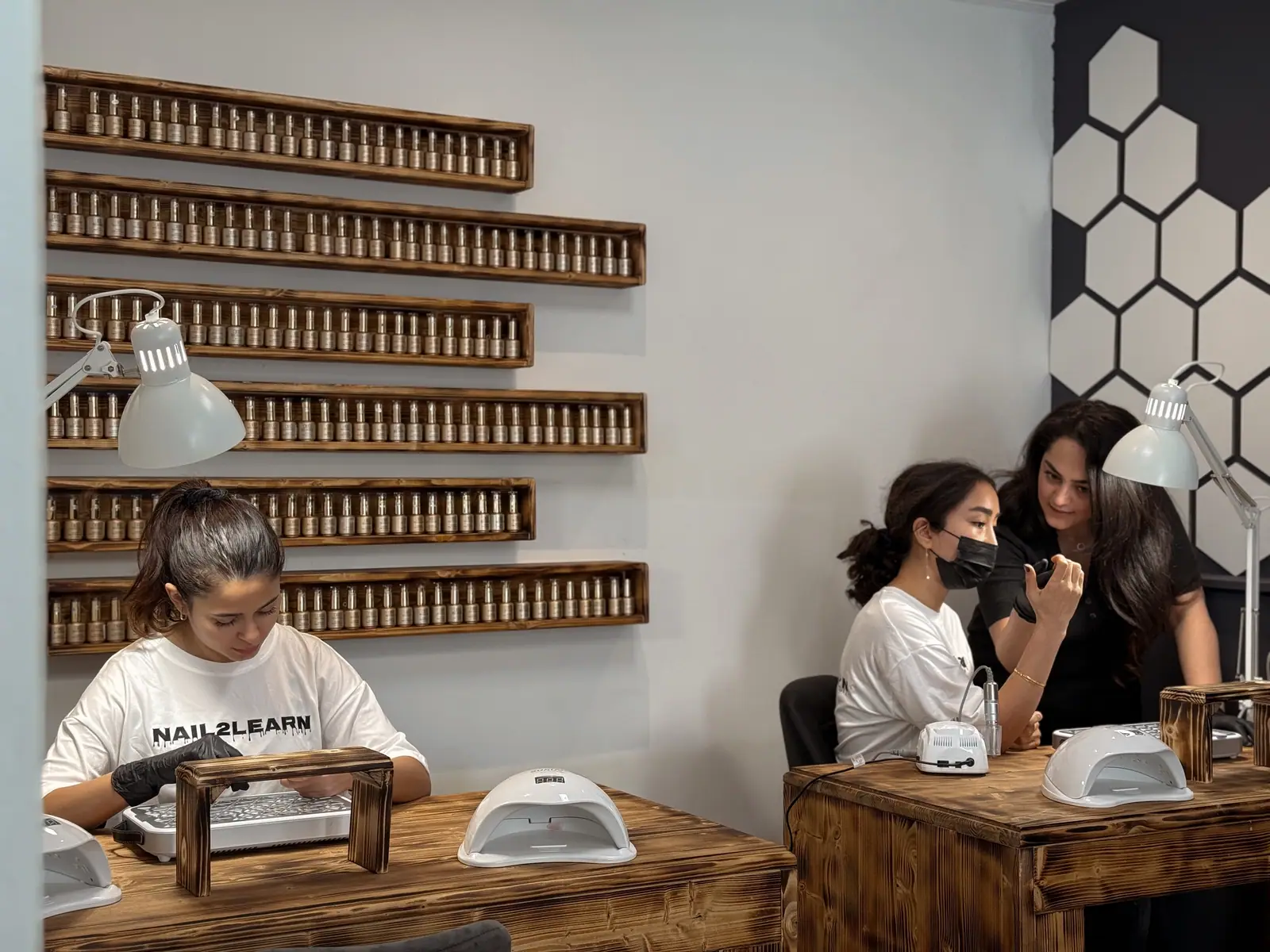
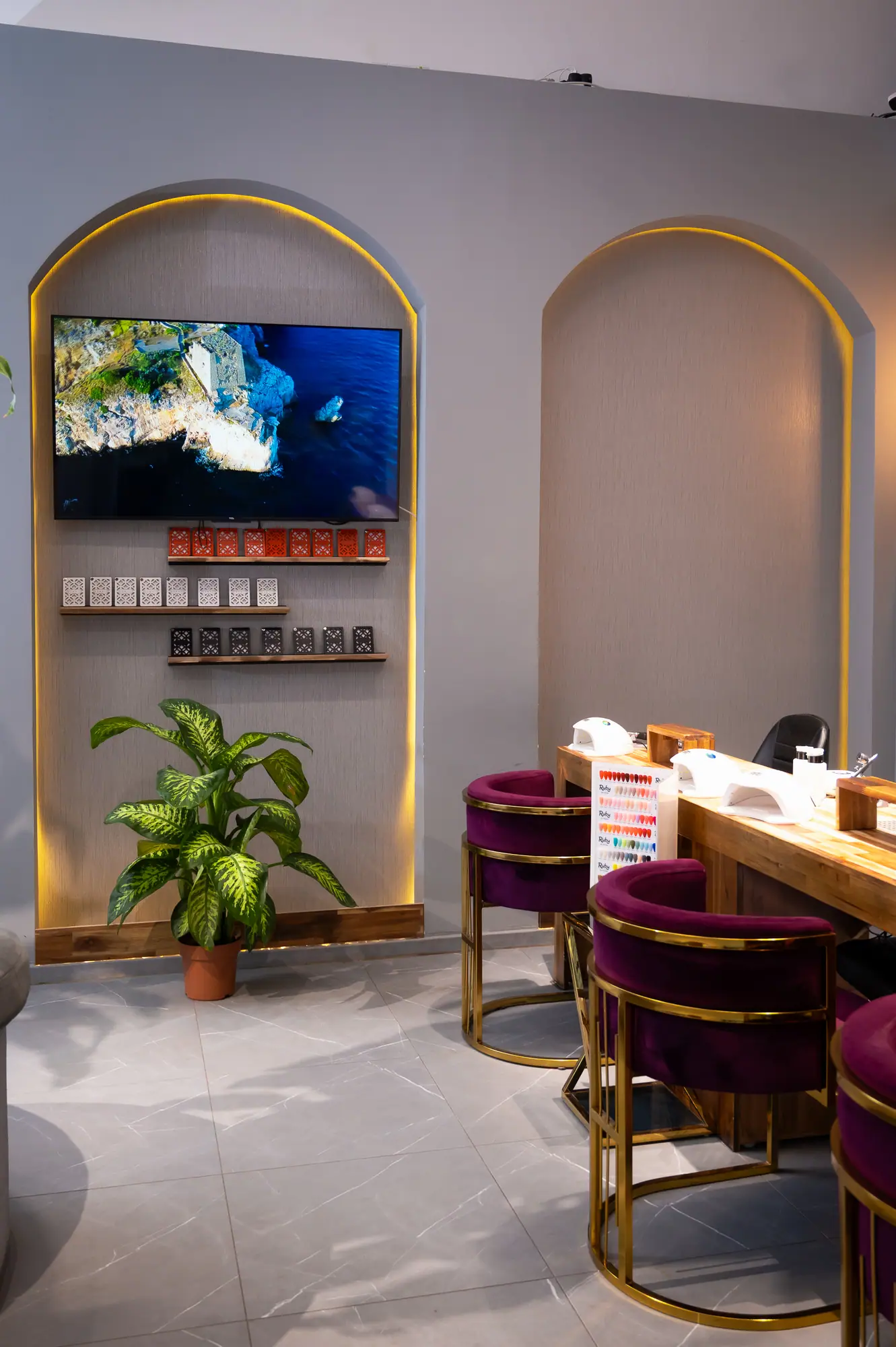
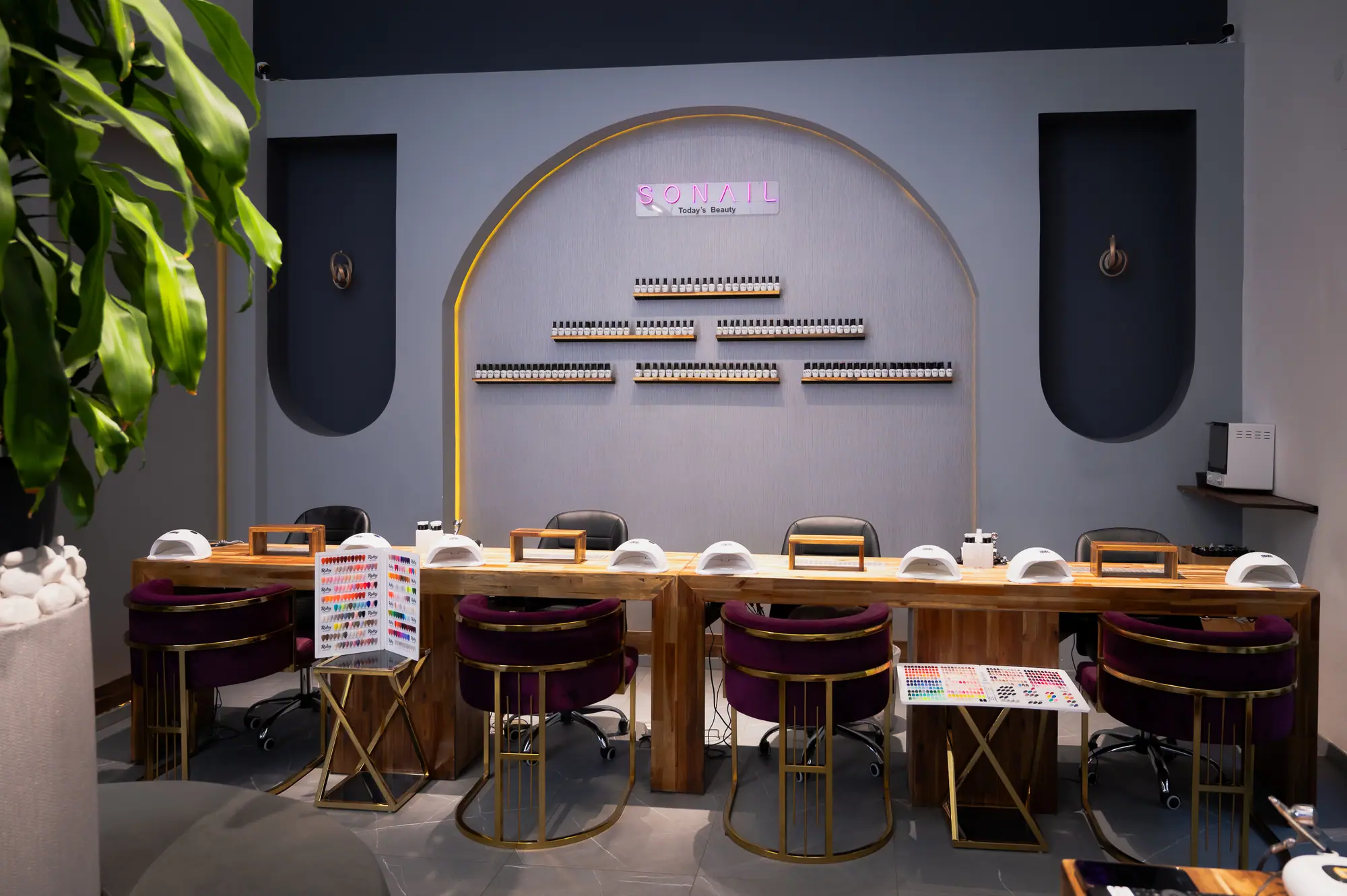
Proper practical training ensures technicians understand sanitation chemicals, equipment sterilisation, and nail anatomy thoroughly. Graduates who master these protocols often go on to work in established salons such as SONAIL or provide mobile services via SONAILpro, where strict cleanliness routines are mandatory for client safety.
Safe Practice Builds Long-Term Client Trust
Flawless nail art and strong extensions mean nothing without unwavering hygiene standards. Preventing fungal and bacterial contamination protects both the client's natural nail health and the technician's professional reputation.
By mastering strict sanitisation, proper product application, and clear client communication, qualified nail designers ensure every treatment is completely safe, reliable, and professional.
The short version
- 1Nail extensions and gel polish do not cause fungus when applied over healthy, sealed nails.
- 2Unsterilised metal tools and reused buffers are the main sources of cross-contamination in low-hygiene settings.
- 3Trained technicians inspect natural nails first and refuse service on discoloured or compromised nails.
- 4Trapped moisture under lifted gel or acrylic creates an environment where fungus can thrive if neglected.
Apply, free and without obligation.
Two minutes for the form, then we call you and talk through which course fits – instalments and funding included.
Apply nowFrequently asked
Sources and further reading
Does this sound like you?
Send your application
Two minutes. We get back to you within one working day, in German or English.