6 min readAuf Deutsch lesen
BIAB, Gel or Acrylic: Which Technique Should You Learn First?
Understanding the difference between BIAB, gel, and acrylic helps you choose the right training path and build a successful salon career in Vienna.

In short
Beginner nail designers should learn BIAB and classic gel modelling before moving on to acrylic. BIAB and gel use forgiving, self-levelling light-cured resins that make mastering natural nail preparation, apex building, and structural balance easier. Once you control these foundational techniques, learning liquid-and-powder acrylic extensions becomes significantly smoother and faster.
At a glance
- BIAB Characteristics
- Flexible, soak-off builder gel for natural nail strengthening
- Classic Gel Strengths
- UV/LED cured, structured reinforcement and moderate extensions
- Acrylic Strengths
- Air-cures hard, liquid-and-powder for maximum strength and length
- Recommended Sequence
- BIAB and gel first, followed by acrylic
- Career Advantage
- Mastering all three materials increases salon hiring speed
Why BIAB is the fastest growing service in Vienna
Builder gel in a bottle, widely known as builder gel in a bottle, has transformed everyday salon routine across Vienna. It acts as a flexible, soak-off builder gel applied directly from a bottle to reinforce natural nails without requiring bulky extensions. Clients love it because it provides strength while remaining lightweight, allowing thin natural nails to grow without snapping. For a new technician, offering BIAB provides an immediate, high-demand service that satisfies clients seeking fast, protective natural nail care.
From a technical perspective, BIAB is an ideal starting point because it introduces essential nail anatomy, precision cuticle work, and basic stress-point reinforcement. Because it cures under a UV or LED lamp, you have complete control over product placement before committing to the cure. Mastering this technique quickly builds confidence in client care and safe nail preparation.
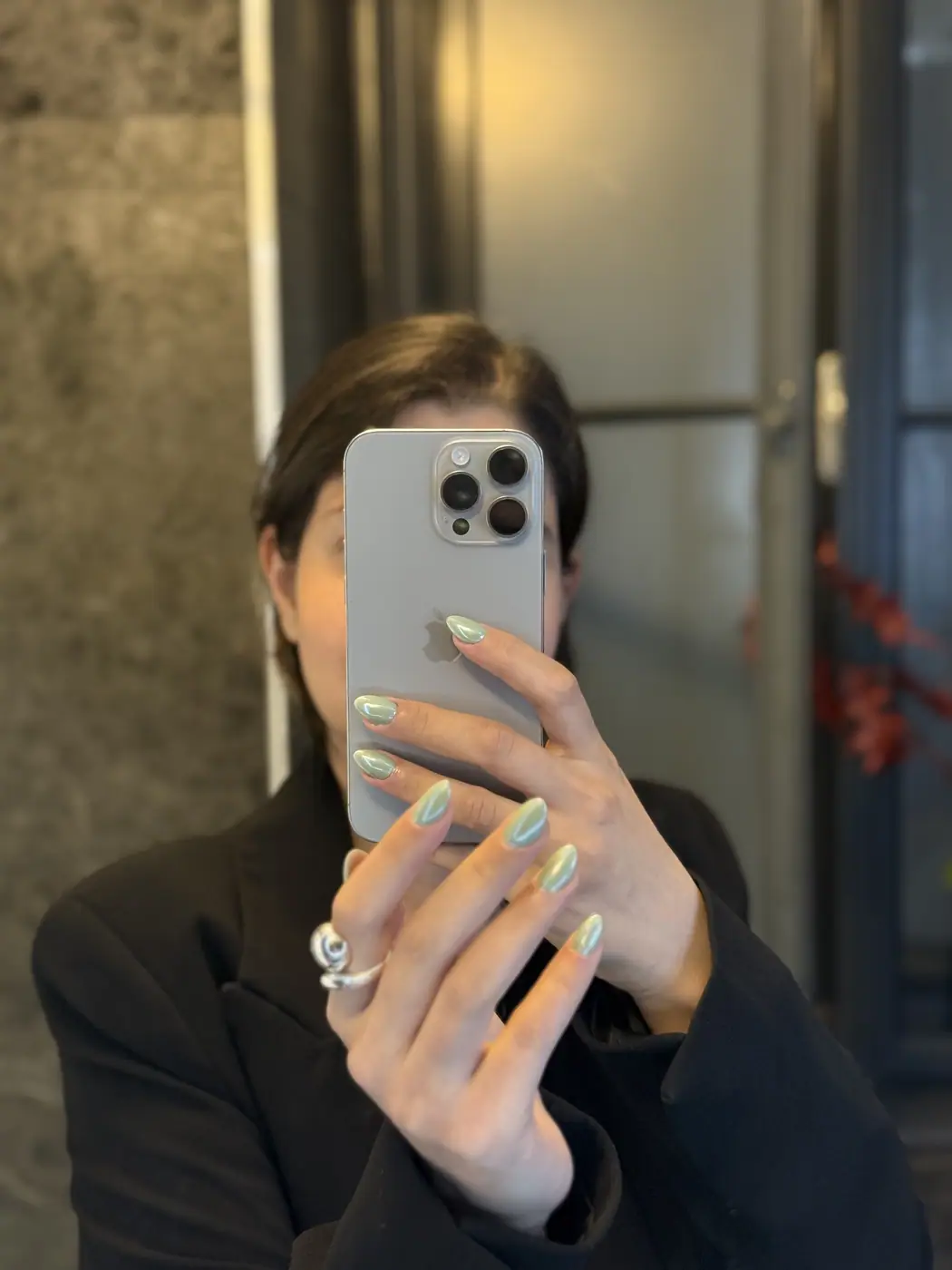

How classic gel modelling builds fundamental nail architecture
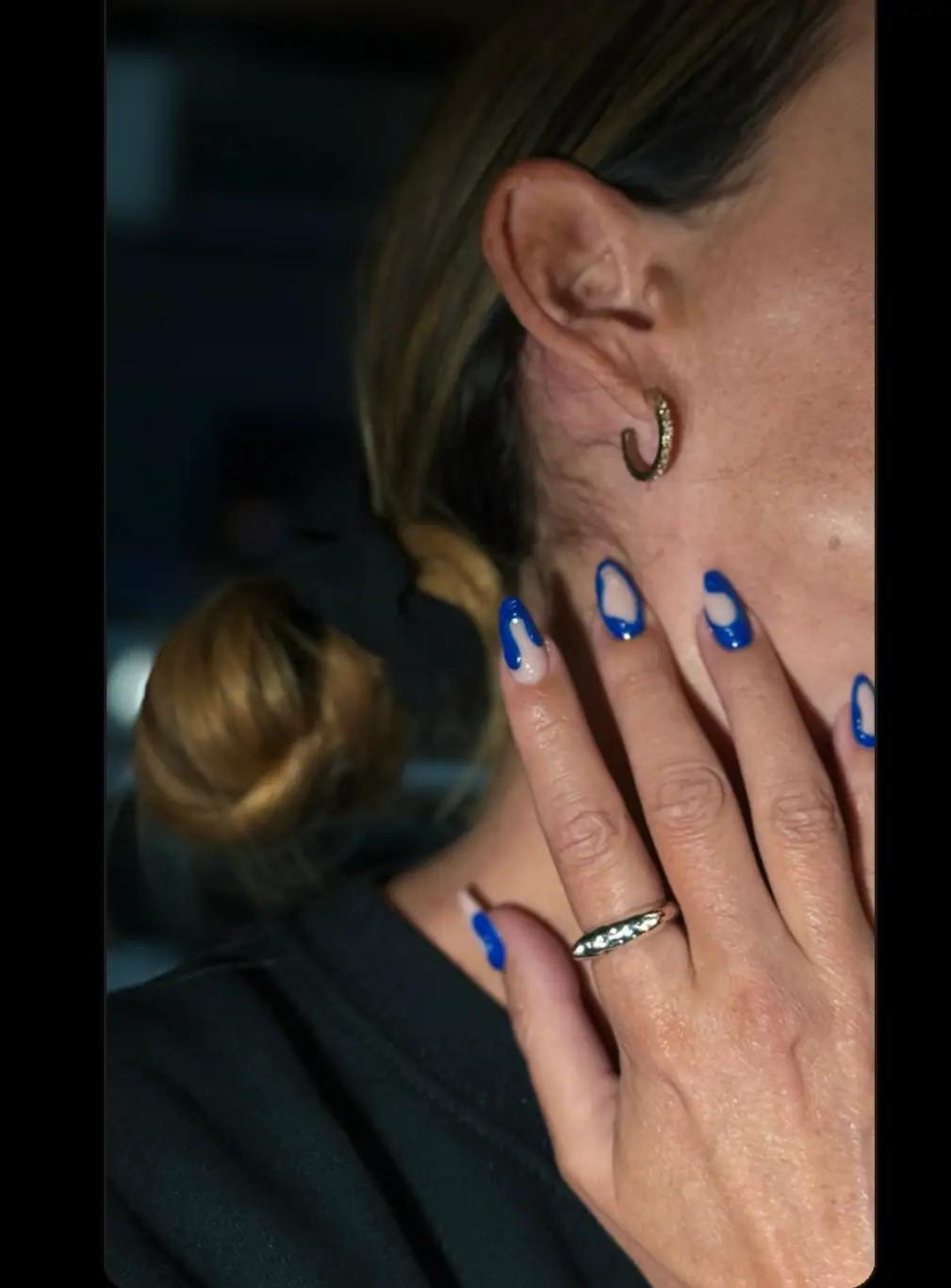
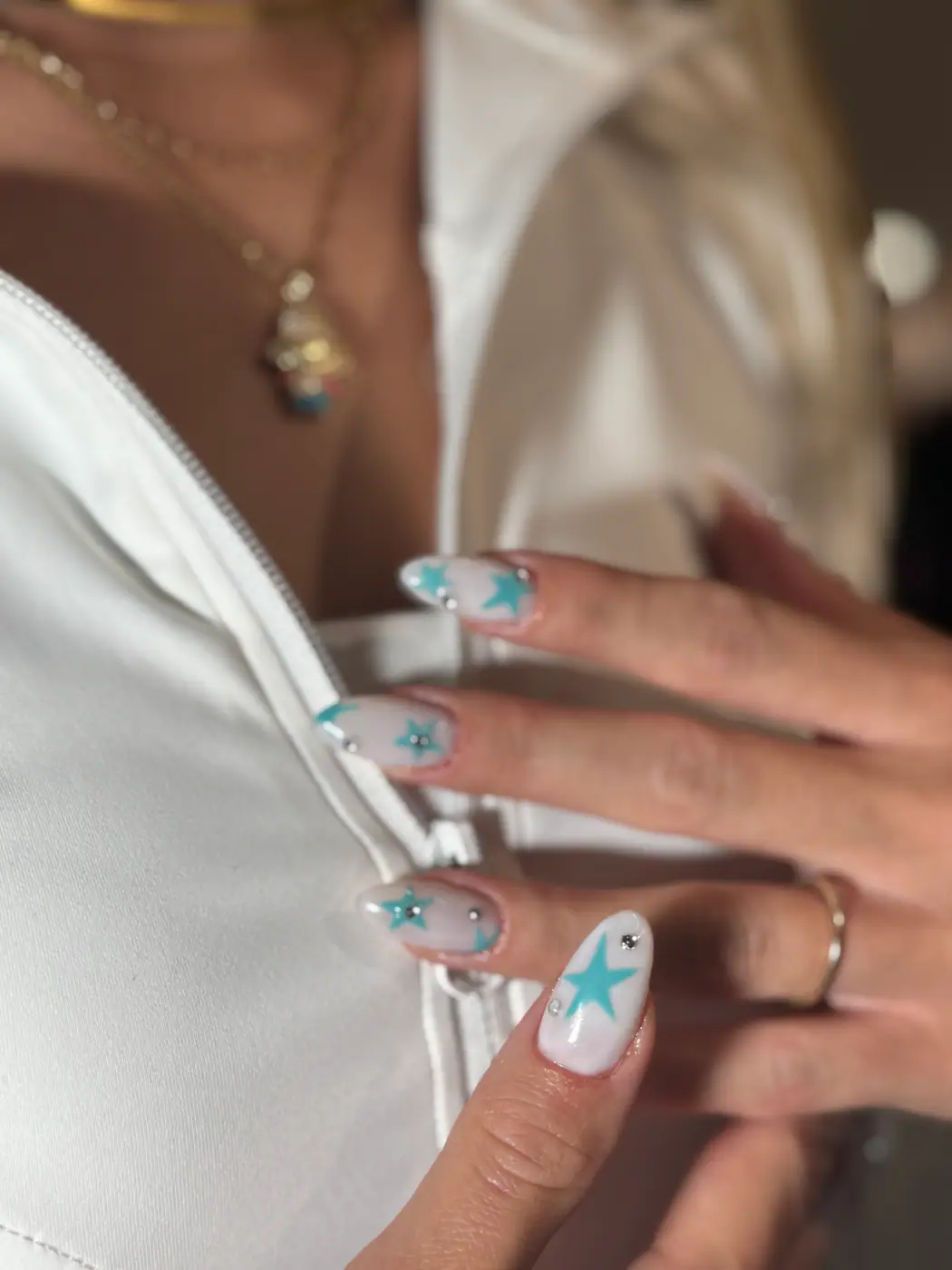
Classic hard gel or classic gel modelling takes nail reinforcement further by allowing technicians to construct defined extensions and correct uneven nail plates. Gel relies on photo-initiators that activate under UV or LED light, giving you unlimited work time to manipulate product movement before setting it in place.
- Apex placement – Positioning the highest point of material correctly over the stress zone ensures structural integrity and prevents snap fractures.
- C-curve creation – Forming proper lateral arch curvature gives slim strength to extended nail free edges without adding unnecessary weight.
- Refinement filing – Learning step-by-step surface filing routines ensures smooth transitions near the cuticle and balance across the entire plate.
Studying classic gel modelling teaches essential structural principles that apply across every extension method:
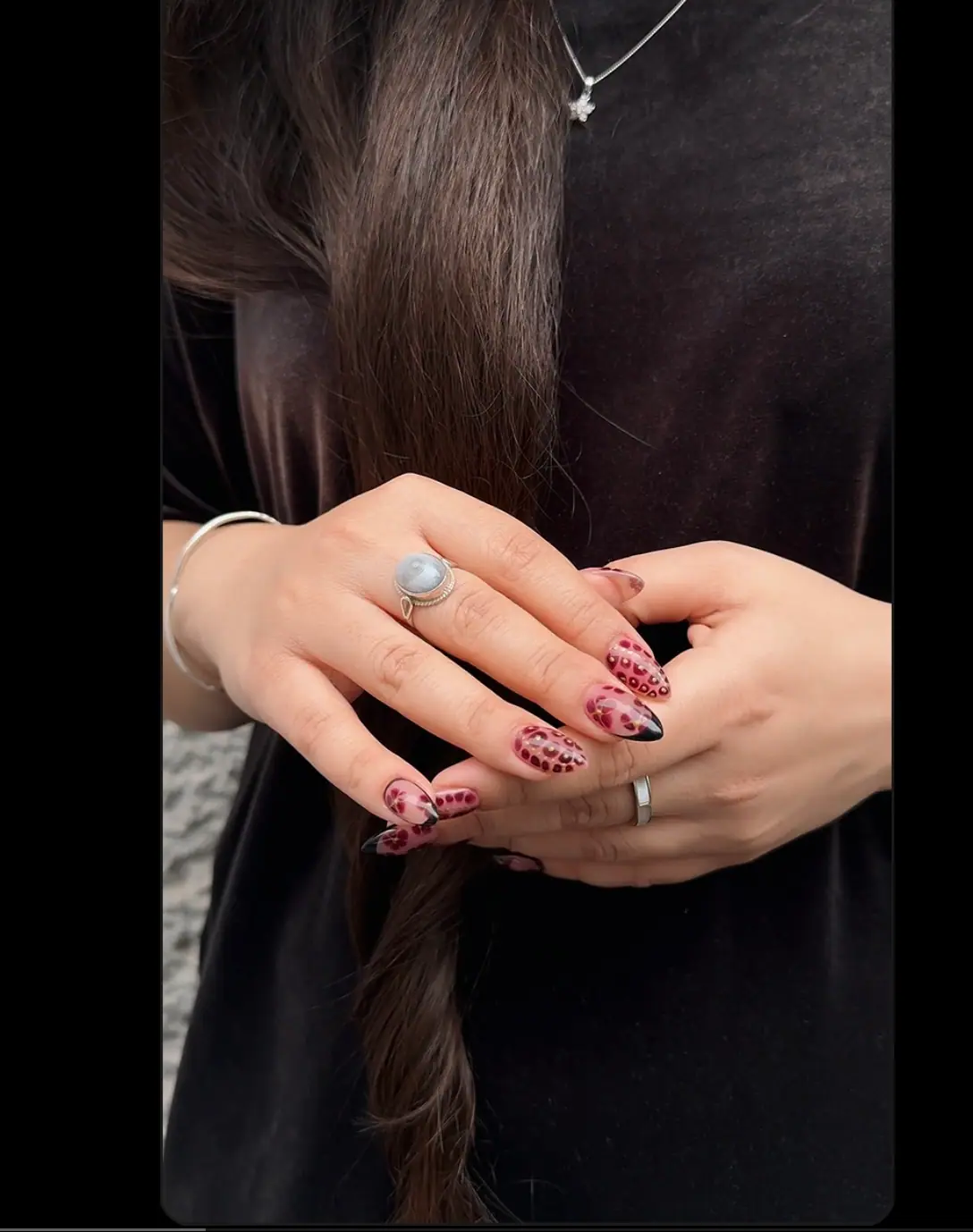
What makes acrylic the rarest and strongest skill in Vienna
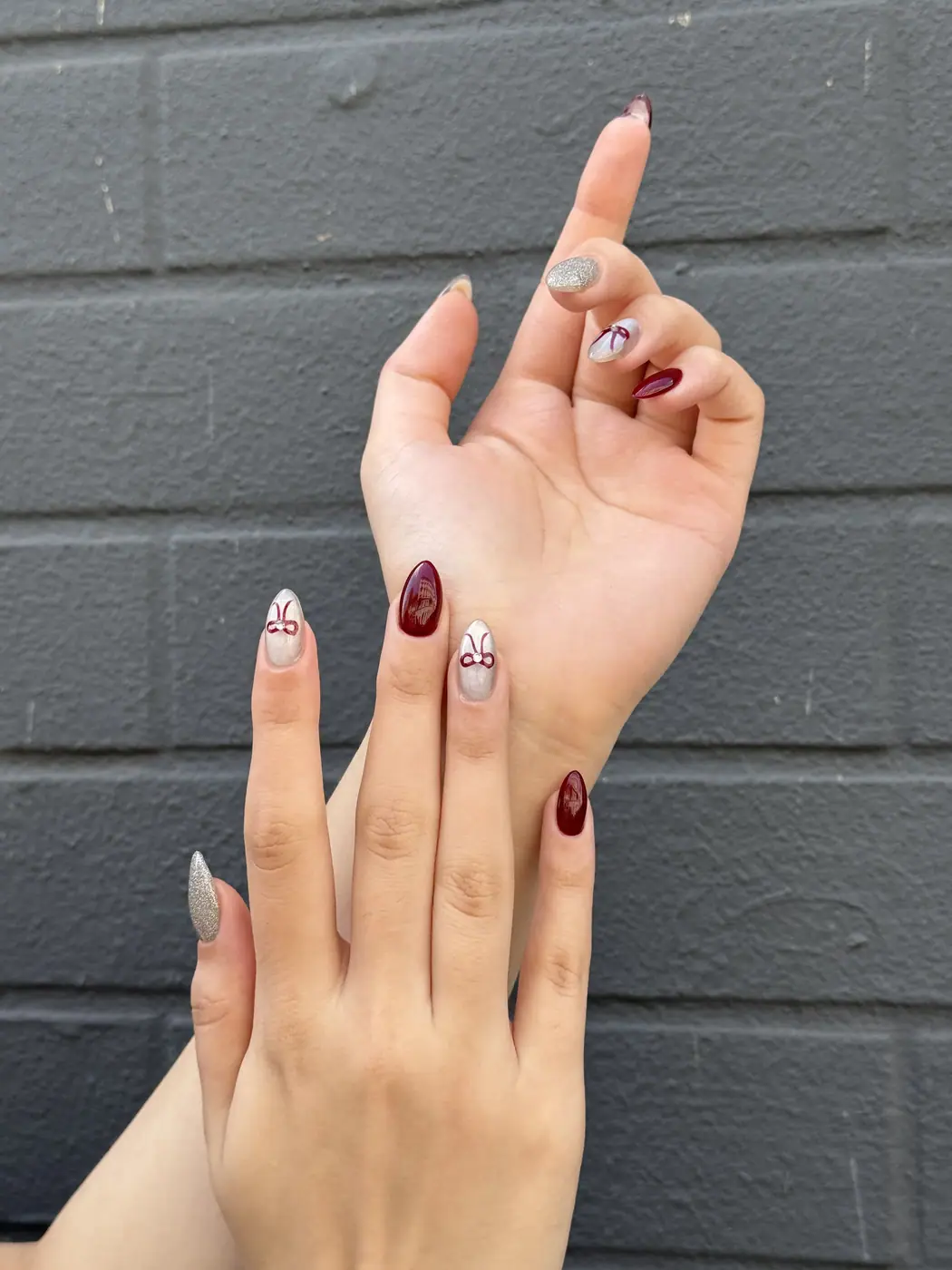
The acrylic modelling system combines a liquid monomer with a polymer powder to create a self-curing resin that hardens without requiring a light unit. It forms the hardest and most resilient extensions possible, making it the preferred choice for extreme nail lengths, complex structural repairs, and severe nail biters. Despite its strength, acrylic remains the rarest skill among technicians in Vienna due to its steep learning curve.
Because acrylic air-cures within tens of seconds, technicians must master precise liquid-to-powder ratio control and rapid bead manipulation. Studying this material at our academy page teaches hand speed and fine motor discipline that elevate your overall craft. Graduates who master acrylic stand out immediately, as top studios actively seek technicians who can deliver these durable extensions.
Comparing BIAB, Classic Gel, and Acrylic
| BIAB | Classic Gel | Acrylic | |
|---|---|---|---|
| Curing Method | UV/LED Light | UV/LED Light | Air Cures (Chemical Reaction) |
| Primary Focus | Natural nail overlay | Structured overlays & extensions | Maximum extension length & strength |
| Removal Method | Soak-off or filing | Filed off or soaked (product dependent) | Acetone soak-off or filing |
| Learning Curve | Forgiving & fast | Moderate (unlimited working time) | Steep (fast setting liquid & powder) |
| Vienna Salon Demand | Extremely high client demand | Core salon staple | High demand, scarce skilled technicians |
Mastering all three materials allows a technician to meet every client need and stand out in the job market.
Learn what you are reading about.
In the Vienna classroom, on real models, with a starter kit. The course covers what an article can only touch.
See the courses
04
The step-by-step progression for mastering all three materials
Rather than attempting to learn all three systems simultaneously, following a structured sequence prevents frustration and accelerates your technical skill. In Austria, nail design operates as a freies Gewerbe (unregulated trade requiring no formal mastership exam to obtain a Gewerbeschein trade license), which means studios judge applicants entirely on real practical capability.
Following this practical progression establishes solid habits from day one:
- 1
Master natural prep and BIAB
Begin by perfecting electric file preparation, cuticle work, and smooth BIAB application on natural nail plates.
- 2
Build gel extension architecture
Progress to UV gel modelling on forms to master apex placement, extension balance, and surface filing routines.
- 3
Develop acrylic bead control
Introduce monomer and polymer practice on practice sheets and tips to master correct ratio consistency.
- 4
Perform full acrylic extension sets
Apply acrylic on real model hands to refine working speed before product sets, ensuring flawless side-wall symmetry.
Why multi-material mastery increases salon employability
Salons in Vienna serve a broad clientele with diverse nail types, lifestyles, and aesthetic preferences. A client with soft, flexible nails may benefit most from BIAB, while another needing heavy-duty length repair requires acrylic. A technician who only knows one system is forced to turn away clients or apply unsuitable materials that lead to premature lifting and damage.
By reviewing our comprehensive course overview, aspiring technicians can choose training paths that cover every major system. Demonstrating multi-material mastery proves to salon owners that you can handle any appointment slot independently. Graduates with complete material knowledge routinely secure positions at premier studios such as SONAIL, where versatile service capability is highly valued.
Building a Complete Skill Set
Choosing between BIAB, gel, and acrylic does not mean picking just one material for your entire career. Starting with forgiving light-cured gels builds your understanding of prep, apex structure, and filing refinement without the pressure of fast setting times. Adding acrylic once your foundation is solid completes your technical toolbox.
Technicians who understand when and how to apply each material deliver better client retention and enjoy greater career flexibility across Vienna's professional salon market.
The short version
- 1BIAB strengthens natural nails quickly and is currently in very high demand across Vienna salons.
- 2Classic gel teaches structural apex balance and filing routine with forgiving UV/LED cured product.
- 3Acrylic requires precise bead ratio control and provides the strongest, longest nail extensions.
- 4Starting with BIAB and gel builds core confidence before taking on fast-setting acrylic.
- 5Mastering all three materials makes a technician significantly more attractive to prospective employers.
Apply, free and without obligation.
Two minutes for the form, then we call you and talk through which course fits – instalments and funding included.
Apply nowFrequently asked
Sources and further reading
Does this sound like you?
Send your application
Two minutes. We get back to you within one working day, in German or English.